A Comprehensive Guide to Buying a Fridge: Tips and Considerations
Purchasing a refrigerator is a considerable decision for any household. The best fridge not just keeps your food fresh but likewise enhances the visual appeal of your kitchen area. With a multitude of options offered in the market, possible purchasers face the obstacle of discovering a refrigerator that suits their needs and fits their budget. This short article supplies important insights into the important aspects to think about when purchasing a fridge, classifies the different types available, and responds to some regularly asked concerns.
Types of Refrigerators
Before diving into the buying procedure, it's necessary to comprehend the various kinds of refrigerators available. Each type serves an unique function and comes with its own set of functions. Here's a fast overview:
| Type | Description | Perfect For |
|---|---|---|
| Top Freezer | A standard model with the freezer compartment on top. | Budget-conscious consumers. |
| Bottom Freezer | Refrigerator above, freezer at the bottom. | Those who frequently access fresh food. |
| Side-by-Side | 2 vertical areas, one for the fridge, one for the freezer. | Large households with diverse storage needs. |
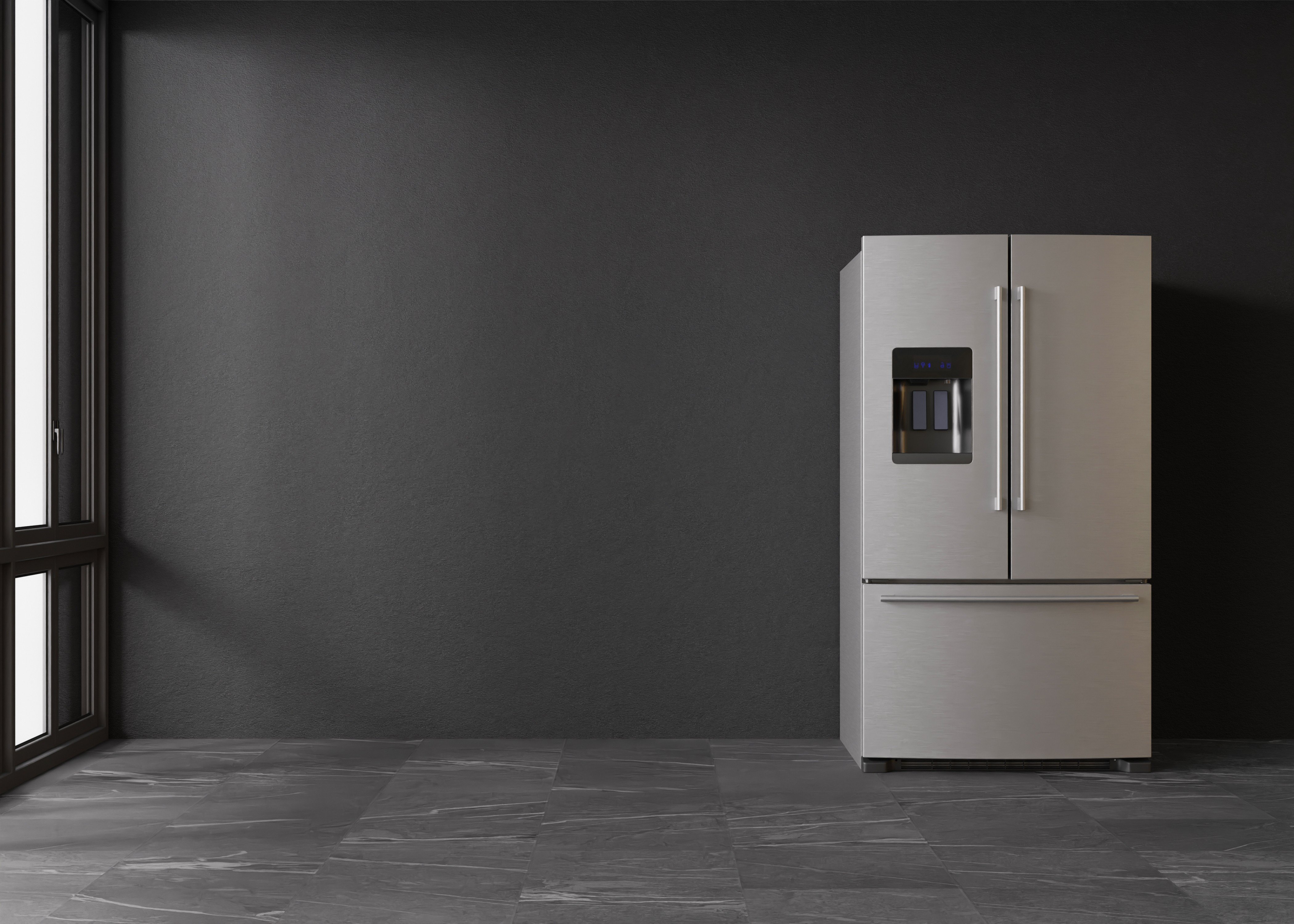
| French Door | Different compartments for fridge and freezer with broad doors. | Trendy cooking areas and devoted cooks. |
| Compact | Smaller sized and portable, appropriate for limited areas. | Dormitories or studio apartments. |
| Smart Fridges | Equipped with Wi-Fi and touch screens for advanced features. | Tech-savvy users seeking convenience. |
Understanding these numerous types can assist buyers identify what fits their way of life and cooking area layout best.
Key Considerations When Buying a Fridge
1. Size and Space
The size of the refrigerator is among the critical aspects to think about. Measure the offered area in your kitchen area where the fridge will live. Bear in mind:
- Depth, Width, and Height: Ensure that the fridge matches your kitchen's general design.
- Door Swing: Check that the door can open freely without blockage.
- Capability Needs: Consider just how much food you typically save and choose a fridge with an appropriate cubic foot capacity.
2. Energy Efficiency
When purchasing a brand-new fridge, search for energy-efficient designs. Energy Star-rated fridges take in less electrical energy, which can significantly reduce utility costs. Aspects to examine consist of:
- Energy Guide Label: This provides a price quote of the yearly energy intake.
- Inverter Technology: Helps maintain temperature while consuming less power.
3. Functions and Technology
Fridges feature a myriad of features and technological improvements. Choosing the right mix can considerably improve benefit:
- Temperature Control: Look for models that offer precise temperature settings for different compartments.
- Smart Technology: Wi-Fi connectivity can offer alerts, dish suggestions, and stock checks.
- Ice and Water Dispenser: Consider whether you desire an in-door water and ice dispenser to save area and improve accessibility.
4. Design and style
The visual appeal of your refrigerator can complement the general kitchen design. Consider the following styles:
- Finish Choices: Stainless steel, matte black, and traditional white are popular finishes.
- Deal with Design: Choose a handle design that matches your kitchen area's design and is easy to open.
5. Cost and Brand Reliability
While there are lots of spending plan alternatives available, buying a reliable brand frequently translates to reliability and durability. Consider the following:
- Warranty: A strong service warranty can protect against defects and failures.
- Consumer Reviews: Research user feedback to assess efficiency and service quality.
Purchasing Tips
- Research: Spend time reading evaluations and comparisons before deciding.
- Sales and Promotions: Look out for sales during holidays or unique occasions to improve deals.
- In-store Experience: Visit local home appliance shops to see the designs personally and ask concerns to knowledgeable staff.
Frequently asked questions about Buying a Fridge
1. For how long can I anticipate my refrigerator to last?
On average, a refrigerator lasts in between 10 to 20 years, depending on the brand name and upkeep. Regular upkeep can extend its life expectancy.
2. What should I do if my refrigerator isn't cooling sufficiently?
Start by inspecting the temperature level settings, guarantee the door seals are undamaged, and keep the coils tidy. If Deann Osuna persist, consult a professional specialist.
3. Are wise fridges worth the financial investment?
Smart fridges can be helpful for tech-savvy users and those who value convenience. Features like stock management and remote access can save time and reduce food waste.
4. How do I effectively preserve my refrigerator?
- Clean the interior regularly to eliminate spills and odors.
- Thaw if you come across frost buildup.
- Check the door seals to ensure they are tidy and practical.
5. What is the very best refrigerator brand name?
There is no one-size-fits-all answer. However, brands like Whirlpool, Samsung, LG, and Frigidaire are typically rated extremely for quality and customer care.
Ultimately, buying a refrigerator involves much more than simply selecting a random model off the rack. By making the effort to evaluate your requirements, evaluating type choices, understanding vital functions, and thinking about style aesthetics, you can make a notified choice that will serve your family well for years to come. With the best choice, your refrigerator will be a reputable buddy in your day-to-day kitchen area operations.